Embedded Systems EngineerProject Portfolio
AlejandroAstudillo
01Research · Harvard
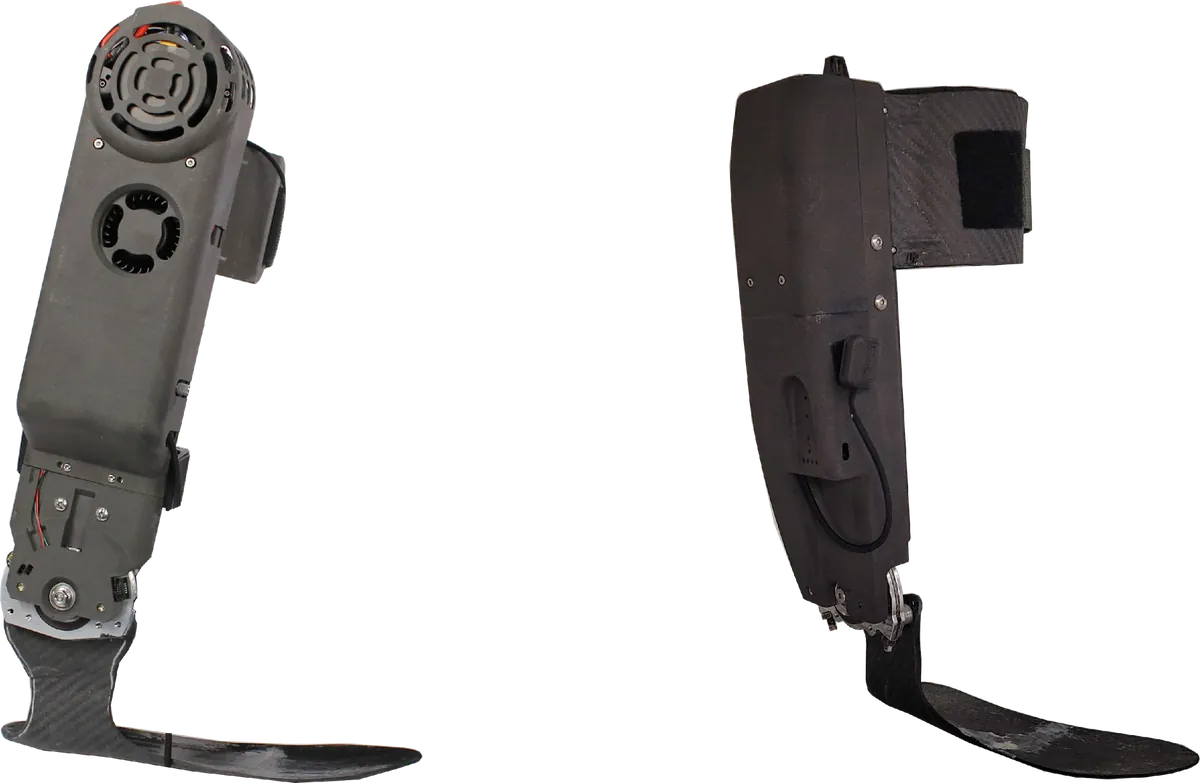
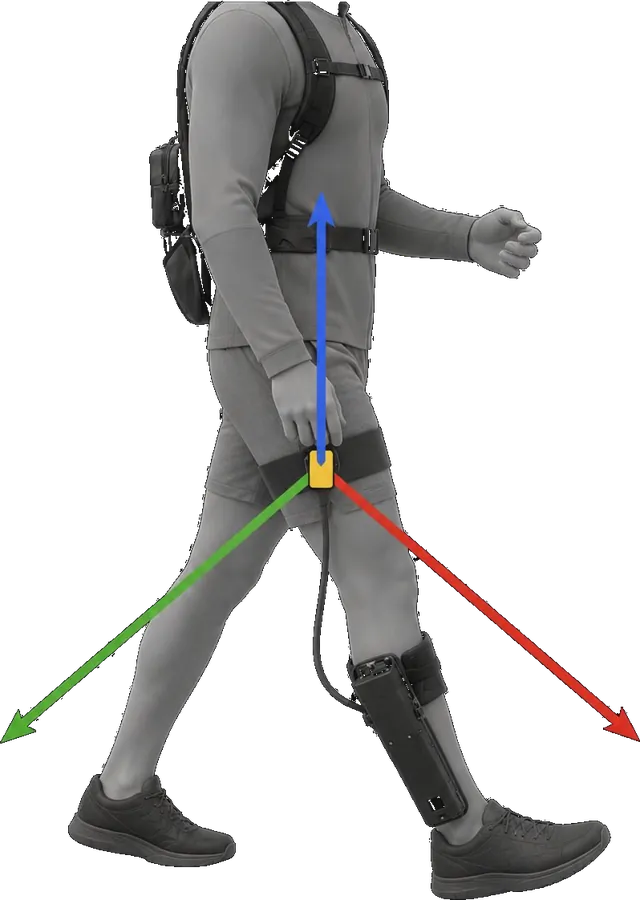
Robotic Exoskeletons @ Harvard
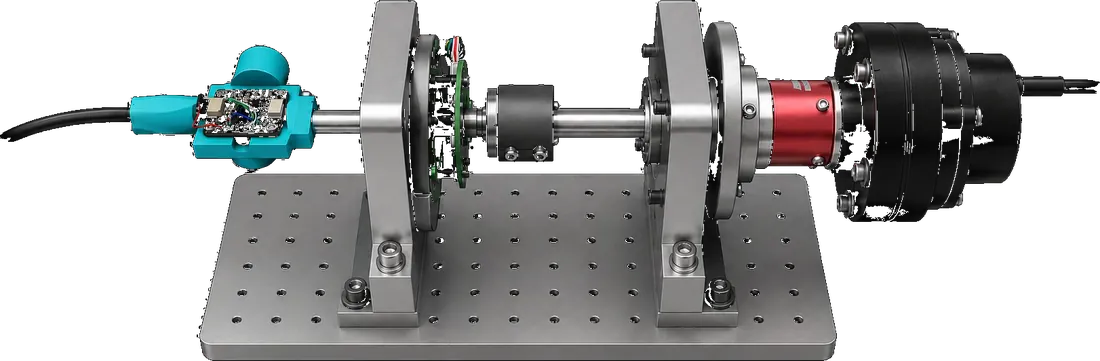
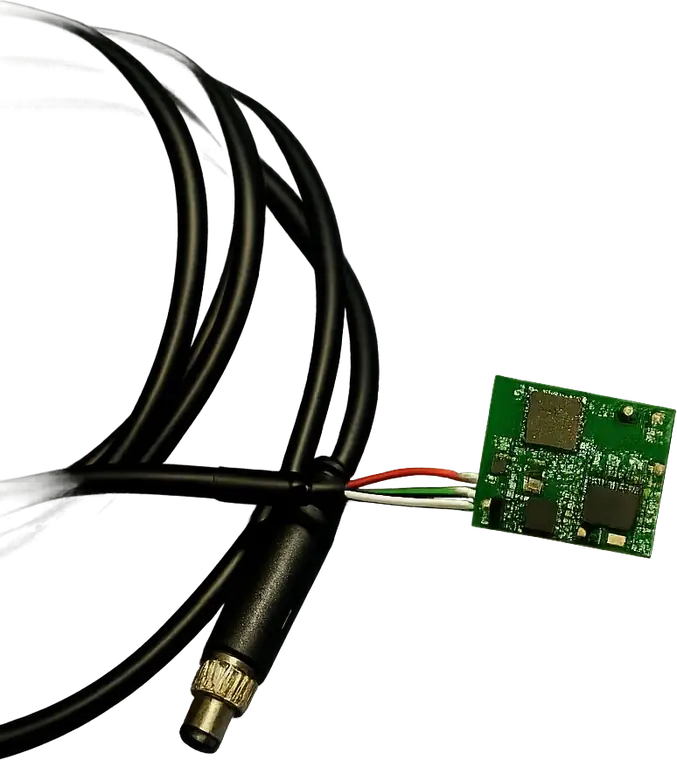
- Experimentally validated and replaced exoskeleton IMUs, saving the project 1000s of dollars.
- Developed and implemented alignment algorithms for robust sensing in real-world conditions.
- Integrated new sensors into the exoskeleton platform at hardware + firmware level.
- Researched novel sensor fusion and gait segmentation algorithms to remove complexity and physical sensors.
Biggest challenges
Real-world sensor data is noisy and difficult to predict, so I had to design sensing algorithms that could cope with that.
I had to redesign and integrate legacy firmware nobody understood, doing hardware debugging along the way.
- Embedded C
- Matlab and Simulink
- Fusion360
- Embedded Linux
- ROS2
- CAN
- SPI
- UART
- I2C
- Python
IMU1IMU2sagittal pitch · illustrative simulation
02Industry · Firmware
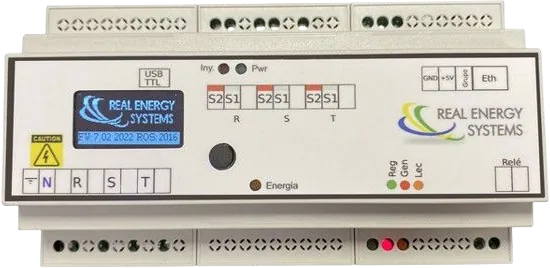
Embedded Systems for Solar Power
- Led development of a line of communication gateways for industrial settings (Modbus). Designed and implemented firmware and drivers. The company is still selling these products.
- Developed and maintained embedded firmware for advanced inverter and relay controllers.
- Designed a custom interpreted programming language for PLC orchestration.
Biggest challenge
Bare-metal programming for devices with severely limited memory meant I had to use techniques like C++ template and macro metaprogramming to offload as much processing to flash memory at compile time.
- Modern C++
- Make
- CMake
- FreeRTOS
- ATMega
- STM32
- ESP32
- Modbus
- CAN
- TCP/IP
- Python
03Product · 0 → 1
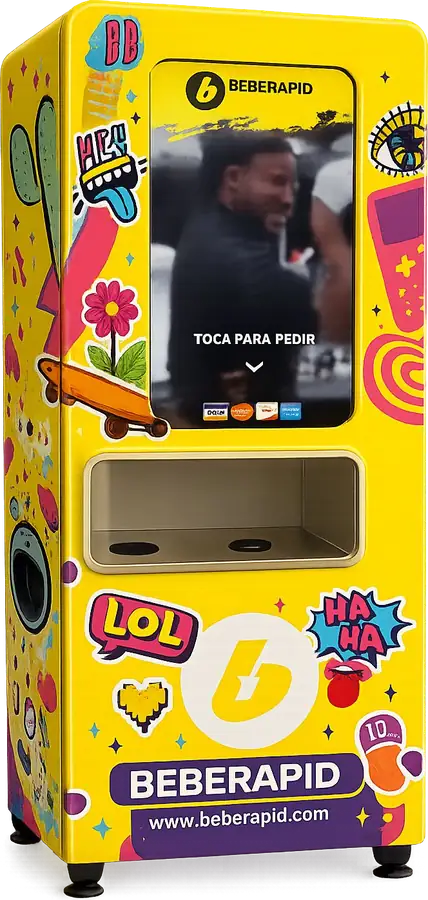
Automatic Beer Machine
- Developed all electronics and software for a self-serve beer kiosk.
- Integrated all systems including: payment terminal, custom beer tap controller, cup dispenser, LED strips, touchscreen, interface.
- Built the machine in my garage. Sold the prototype to an events company and the V2.0s are currently being developed and will be installed in concert venues in Spain this year.
Biggest challenge
Making a working prototype is easy, but getting from there to a viable product is 100x harder. I had to cover dozens of edge cases and build in extensive fault-tolerance.
- Modern C++ (Controller)
- Svelte (Interface)
- .NET C# (Payment integration)
- RP2040
04Bachelor's thesis
Wireless Gamified Rehabilitation Device
- My bachelor's thesis project.
- Heavily modified a cheap handheld dynamometer to add bluetooth capabilities.
- Developed an Android app with games and patient monitoring.
- The project was evaluated and validated by medical and rehabilitation professionals.
Biggest challenge
In order to control a game using real-time bluetooth input, I had to develop my own rudimentary game engine in Kotlin, with sprite painting, frame control, game events…
- Modern C++
- BLE
- Kotlin (Android)
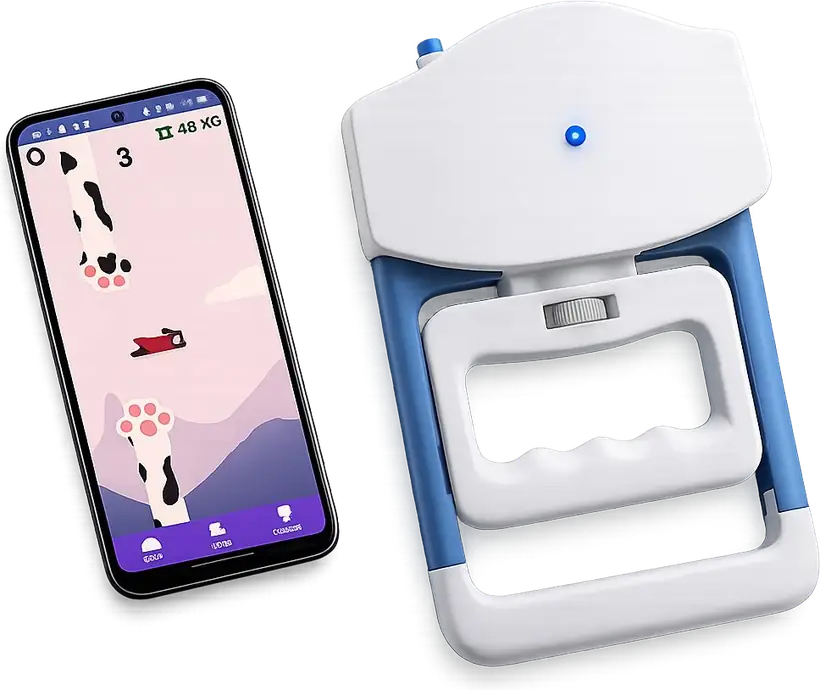
Press and hold the dynamometer (or the game) to squeeze. The harder the squeeze, the higher the cat. Dodge the paws.
05European Rocketry Challenge
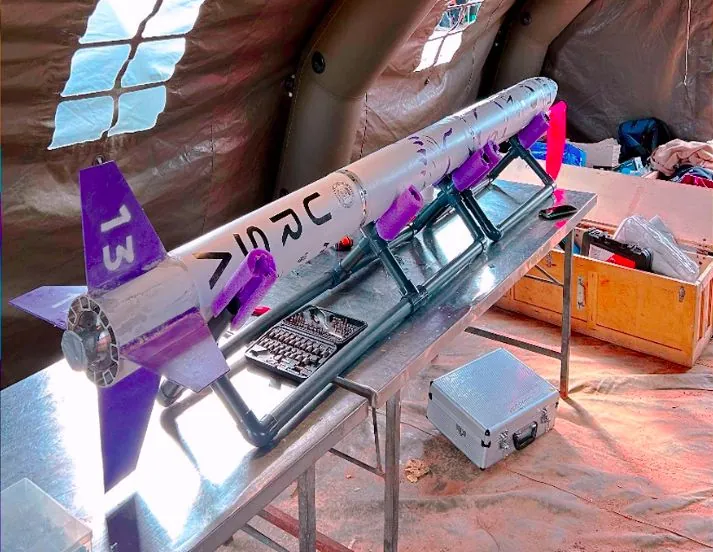
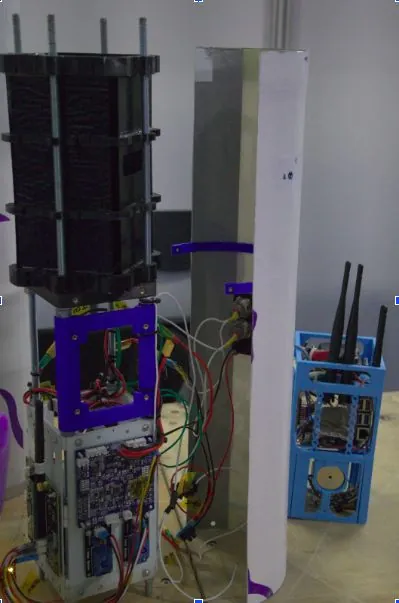
RF video streaming for URSA rocket
- Developed the video streaming system for the URSA rocket for the European Rocketry Challenge.
- Tested with long range and a variety of RF modules.
- Developed custom video encoding and transmission pipelines between Raspberry Pis.
Biggest challenge
Transmitting real-time video over 3km+ from a rapidly moving target proved to be quite difficult. While streaming worked during ground tests, we lost the feed during the competition due to a power failure.
- Embedded C
- Embedded Linux
- ffmpeg
06TinyML · On-device
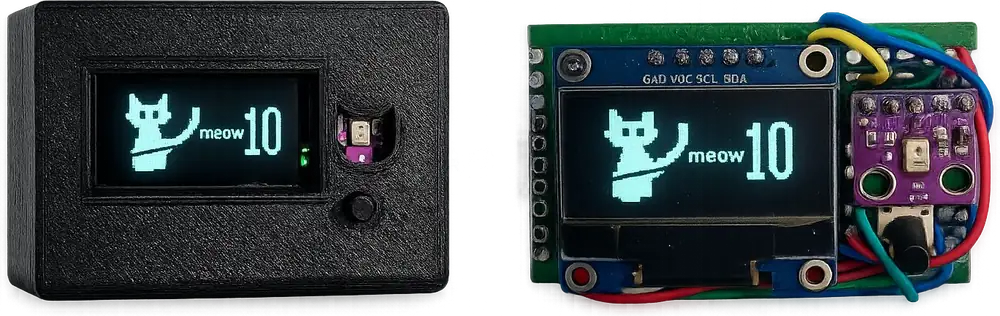
Acoustic Event Detection with Embedded ML
- Bedside digital clock using on-device convolutional networks to detect real cat meows.
- Integrated microphone, screen, and interface in a small package.
- Trained a TensorFlow Lite model and applied TinyML concepts for efficient inference.
Biggest challenge
Neural net performance can vary when quantizing and embedding on small microprocessors, so I had to finetune it with specific data acquired with the device microphone.
- C++
- RP2040
- CNNs
- TensorFlow Lite
- I2C
07Side quests
And many more…
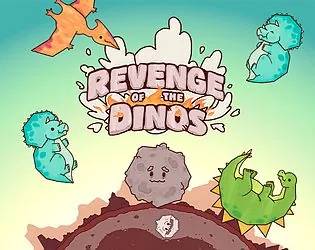
Revenge of the Dinos
Game
Play on itch.io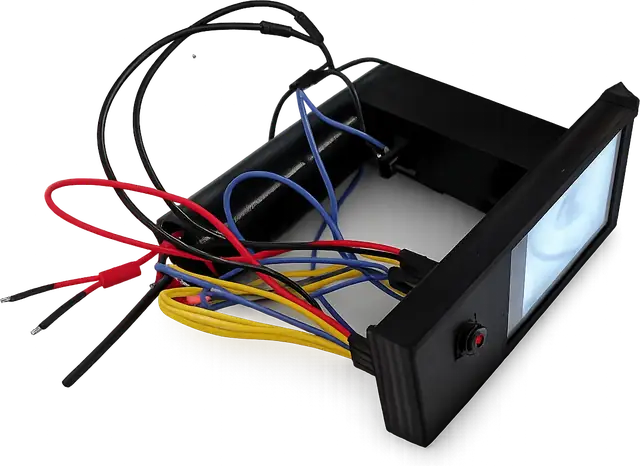
Voodoo Gun
Sci-fi concept prototype
See it on X
Rhythm Ruler
Educational music game · developed at MIT (Sundai Club)
Project page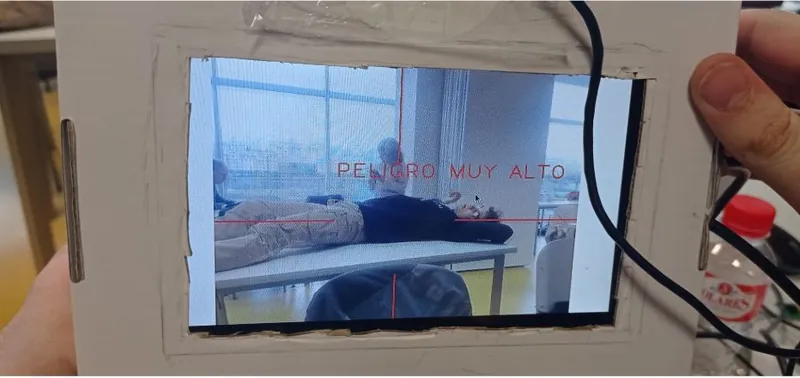
RescueCV
Embedded prototype for victim triage
GitHub
Uli
Game
Play on itch.io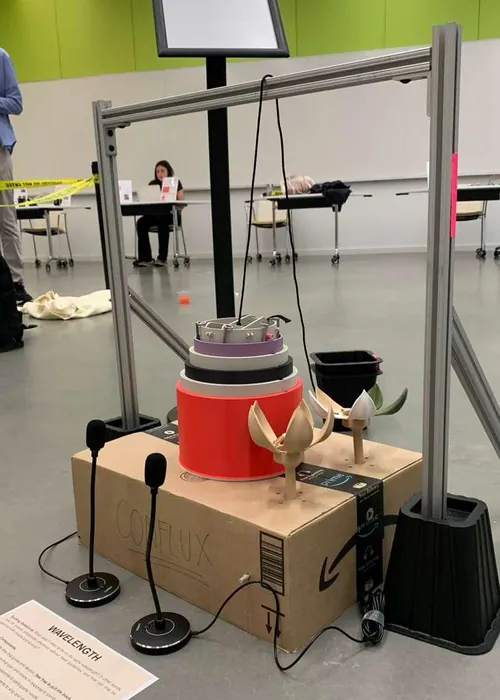
Wavelength
Interactive mechanical art installation · developed at Harvard
Conflux Collective08Datasheet · rev A
Who am I?
- Age
- 25 years old
- BSc
- Computer Science
- MSc
- Embedded and Distributed Systems
- Experience
- Research and industry
- Passion
- Software that interacts with the real world
- Teams
- Worked successfully with international teams (Japan, US, Spain)
- Traits
- Great communication skills. Adaptable, autonomous.
My hobbies outside building things:
- 📚reading
- 📷photography
- 🎤singing
- 🐈⬛cats!
End of transmission
Let's build something real.
al@astudillo.com© Alejandro Astudillo